
The greenkeeper’s job is often a lonely one: the team is small, decisions are quick and contact with colleagues facing the same problems is not always easy. That is where a professional association such as the AEdG, the Asociación Española de Greenkeepers (Spanish Greenkeepers Association), can bring a value that does not show up in the budget but does show up on the course.
We review five benefits of being part of the AEdG, how to make the most of them and what questions to ask yourself before taking the step. For specific conditions, fees and services, always check the official, up-to-date information from the association itself.
What the AEdG is and who it is for
The AEdG brings together golf course maintenance professionals in Spain: greenkeepers, head greenkeepers, superintendents, technical staff and other roles linked to the sector. Its purpose is to provide a common space to share knowledge, improve the profession and give visibility to the work done behind the course.
It is not only for managers with many years of experience. A young person who has just joined a crew, a club manager who wants to understand maintenance better or a technician from a supplier can also find the AEdG a useful environment. What matters is being clear about what you expect from it.
Before joining, ask yourself three questions: what specific problems you want to solve on your course, how much time you can give to taking part and what you could contribute to others. An association is a place for exchange, and the clearer you are when you arrive, the more you will get out of it from the first meeting.
Benefit 1: ongoing training suited to Spanish courses
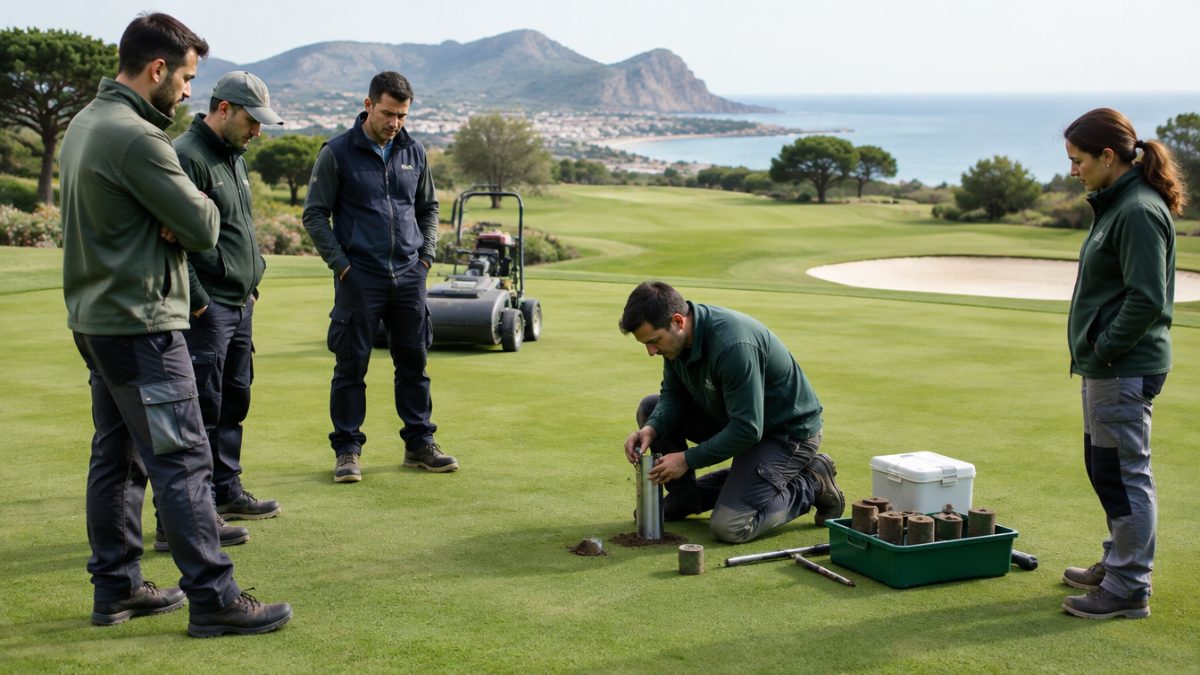
Practical training is one of the most common reasons for joining. Technical days, talks, workshops and meetings let you update your knowledge of turf, irrigation, machinery, sustainability and team management with examples close to our climate and our species.
Good training avoids costly mistakes. Attending a session on a problem that later appears on your course can save you weeks of trial and error. And if a topic particularly interests you, you can bring the crew to the next editions, so that learning does not depend on a single person. It is also a good way to motivate greenkeepers and mechanics, who see that the club is investing in their development. The AEdG, like any association, is worth more when you take part than when you only pay a fee.
Benefit 2: a network of contacts to solve real problems
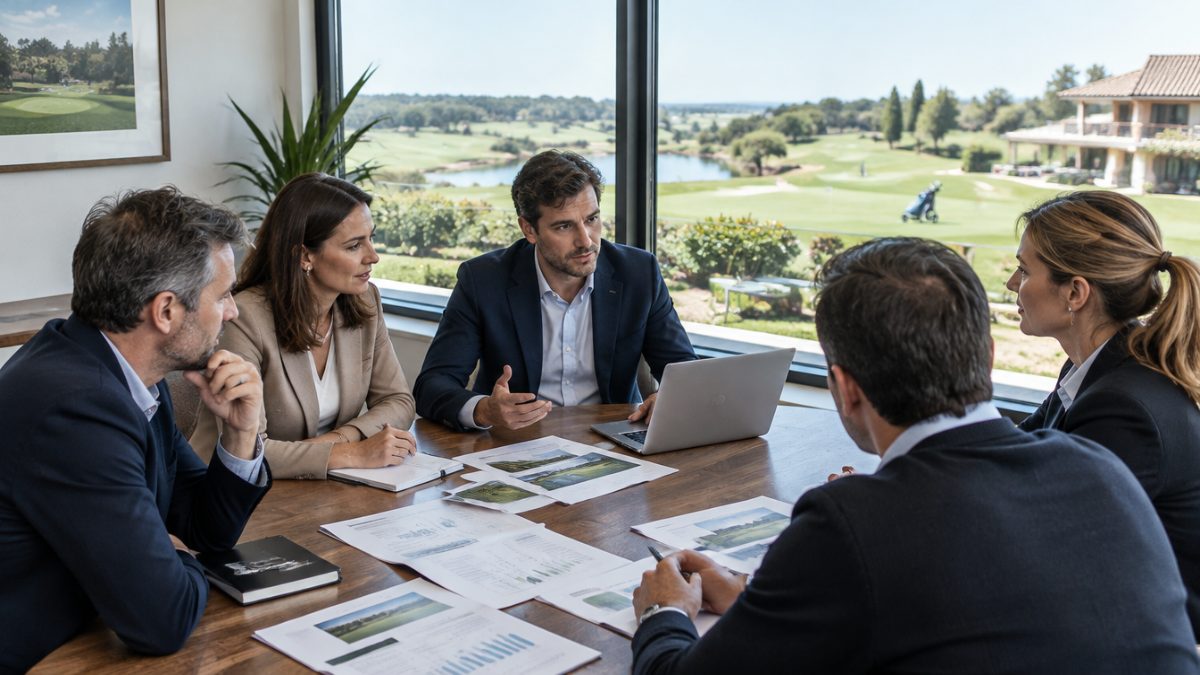
Few things are worth as much as being able to ask a colleague what they did in a similar case. At the AEdG you can meet colleagues from other regions, with different climates, budgets and challenges, and compare solutions. That informal network can often solve in one phone call what would take weeks alone.
- Sharing experience on pests, diseases and management.
- Contacts to ask about machinery, suppliers or ways of organising the work.
- Support in difficult moments, such as a water crisis or a serious incident.
Over time, the AEdG network can become a reference for making decisions with more confidence. A common example: faced with a disease outbreak on a green, being able to compare notes with someone who has been through it helps set priorities, although the final decision and any treatment must rely on licensed technical advice.
Benefit 3: visibility and recognition for the profession
A greenkeeper’s work is noticed when something goes wrong, but little when everything goes well. A strong association helps explain to the club, the federation and the player what it takes to maintain a course, with what resources and under what conditions.
Taking part in the AEdG helps give the sector a voice in conversations about water, regulation, sustainability or professional training. It also helps the green committee and ownership understand the value of a qualified, stable team, and to defend technical criteria against decisions made on cost alone.
Visibility also has an internal effect: when a greenkeeper takes part in industry forums, they gain authority with their own club and their opinion carries more weight in budget and planning meetings.
Benefit 4: access to information and a link to the international scene
National associations are usually connected to European and international networks, which makes it easier to access technical information, events and news from other countries. For a greenkeeper who wants to broaden their view, that connection is a constant source of ideas.
The AEdG can be the bridge to learning how other markets approach sustainability, water management or team organisation. Although not everything transfers to our context, comparing always sharpens judgement. It also lets you catch up in an orderly way, without having to hunt for scattered content. That comparative view is especially useful when the club is planning investments and you need arguments based on what other courses with similar conditions are doing.
Benefit 5: professional development and how to make the most of it
The fifth benefit is personal: joining the AEdG is an investment in your career. The contacts, knowledge and reputation you build at meetings, technical days and working groups can open doors to new responsibilities or projects.
To get the most out of it, try this approach:
- Define what you want to achieve: training, contacts, visibility or all of them at once.
- Attend at least one event a year and bring specific questions.
- Share some experience of your own; teaching also consolidates what you have learned.
- Pass on what you have learned to the crew and put it in writing.
Course reports and records also gain value when they are aligned with recognised criteria in the sector, something the AEdG helps you learn about and compare with other colleagues.
Further reading: Real Federación Española de Golf (Royal Spanish Golf Federation). To understand the general framework of golf in Spain, you can visit the website of the Real Federación Española de Golf (Royal Spanish Golf Federation).
Frequently asked questions
What is the AEdG and what is it for?
The AEdG is the Asociación Española de Greenkeepers (Spanish Greenkeepers Association). It brings together golf course maintenance professionals, shares knowledge, organises training and gives visibility to the profession. For its current services, fees and requirements, the most reliable source is the association's own official information.
Is it worth joining the AEdG if I work at a small club?
It is often especially worthwhile for small teams, where there are fewer people to compare decisions with. The AEdG's network of contacts and training give access to experience that would otherwise be hard to find. The real value depends on how much you take part in the sector's meetings, groups and conversations.
How can I make the most of AEdG membership?
By taking an active part: attending technical days, asking questions, sharing experience and passing on what you learn to the crew. Set specific goals each year, note useful contacts and record the ideas you want to try on the course, so that training turns into real, measurable improvements.
Keep reading
- USGA Green Section: resources for greenkeepers USGA Green Section: 5 useful resources for greenkeepers
- Skills of a good head greenkeeper Head Greenkeeper: 7 Skills of a Good Leader
- GCSAA ideas for greenkeepers GCSAA: 5 Ideas from the US Benchmark for Greenkeepers