
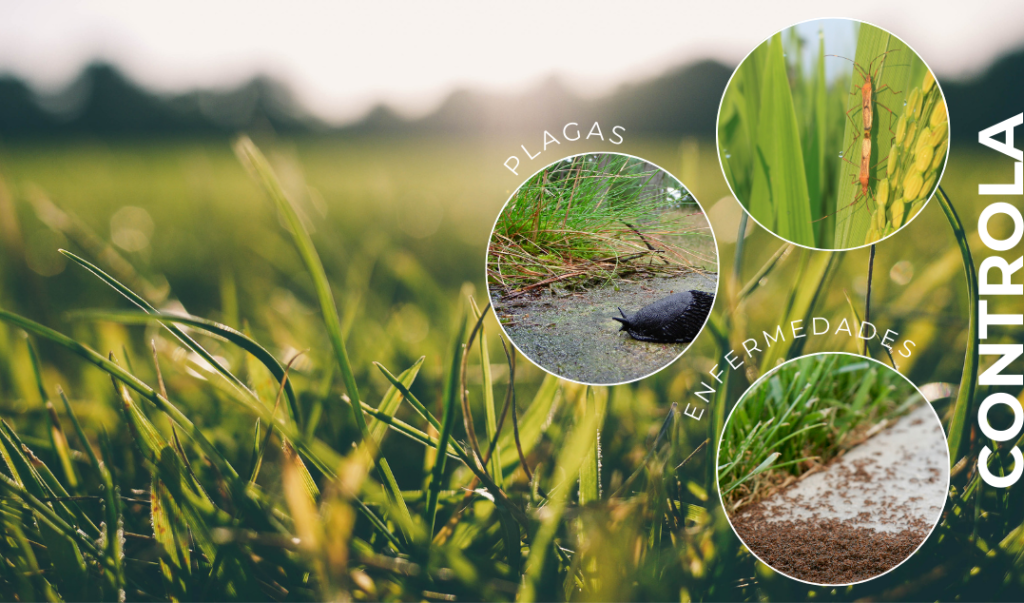
Turf care on golf courses is not limited to appearance; it also means guaranteeing long-term health. Pests and diseases can put the quality of the playing surface at risk, affecting both the players’ experience and the sustainability of the course. For this reason it is essential to implement effective strategies to prevent and control these problems. In this article we explore the best practices for managing pests and diseases in golf turf.
The first step towards effective control is prevention. Keeping turf healthy and well cared for significantly reduces the risk of infestations and disease. This includes practices such as soil aeration, proper fertilisation and efficient irrigation, which strengthen roots and improve the turf’s natural resistance. In addition, choosing turf varieties that resist common diseases can be a valuable long-term investment.
Early identification of problems is key to avoiding greater damage. Regularly monitoring the course for signs of pests, such as discoloured patches, weakened areas or visible insects, makes it possible to act quickly. The same applies to diseases, which usually appear as spots, fungi or areas of abnormal growth. Training staff to recognise these symptoms is essential for a timely response.
Integrated pest management (IPM) is a widely recommended strategy in golf course maintenance. This approach combines biological, cultural and chemical methods to control pests sustainably. For example, encouraging the presence of beneficial insects can help control pest populations naturally. In addition, adjusting cultural practices, such as mowing frequency and irrigation, can create an environment that is less favourable to pests.
As for the use of pesticides, it is important to apply them responsibly and only when necessary. Selecting products specific to the type of pest or disease, following the recommended doses and applying under suitable conditions minimises environmental impact. It is also advisable to rotate the products used to prevent pests from developing resistance.
Finally, communication and continuous training are fundamental for effective control. Keeping the maintenance team up to date on new techniques, products and trends makes it possible to adopt innovative solutions and constantly improve course management. With a comprehensive and proactive approach, it is possible to maintain turf that is healthy, functional and attractive to players.